
Medical School Performance Coaching
Class Act's MSPC Program is Designed to Support Your Needs & Your Goals

For Students Who Want
A Clear Plan from Day 1
Build a focused, step-by-step strategy for medical school so every decision strengthens your path to a successful match.

For High-Performing Students
Elevate your performance with advanced strategy and positioning designed to maximize your chances in competitive specialties.

For Students Who Want to Improve Their Performance
Get back on track with focused, personalized support that fixes gaps, builds stronger systems, and restores your confidence.

Set yourself up for success with the help of:
- An experienced, dedicated physician mentor who works with you 1-on-1 to understand and support your goals.
- Structured coaching sessions aligned with standard MD/DO medical school timeline.
- Clear weekly and monthly expectations.
- Direct guidance on research, mentorship, and campus/community involvement strategy.
- Early exposure to ERAS, NRMP, program expectations, and how applications are evaluated.
- Ongoing check-ins and accountability between sessions.
- Customized workspaces with meeting agendas, goal tracking, and deliverables.
6 Sessions, 1 Year | $2,999 – A focused engagement to establish direction, refine your study approach, and address what matters most right now. Ideal for M1 & M2 students.
- 1x 75-Minute Initial Consultation
- 1x 60-Minute Study Optimization Session
- 4x 60-Minute Follow-Ups Every 4 to 8 Weeks
- Adjustments based on real performance and evolving goals
10 Sessions, 2 Years | $4,499 – Extended mentorship for students who want ongoing guidance for long-term positioning, allowing for reassessment as goals evolve. Ideal for M1 students.
- 1x 75-Minute Initiial Consultation
- 1x 60-Minute Study Optimization Session
- 8x 60-Minute Follow-Ups Every 4 to 8 Weeks
- Transition planning for clerkships & residency positioning
You can begin at any point in M1 or M2. Your sessions are built around you, with a clear focus on your goals, your current position, and the decisions that will move you forward.
From M1 to Match Day
Match success is built years before applications open. But many students aren’t sure which early choices actually matter, and the demands of medical school make it easy to go on autopilot. This leads to missed opportunities or even worse, devoting time to activities that won’t help you achieve your match goals.
Class Act’s Medical School Performance Coaching (MSPC) offers structured, longitudinal support from M1 – Match Day. It’s designed to help you establish a strong academic foundation, make informed decisions, and build a cohesive, competitive match application over time.

Academics
How you study, how you perform, and how you position yourself for strong grades, board scores, and academic recognition.

Research
Meaningful scholarly work with clear direction, mentorship, and tangible output.

Community & Service Involvement
Consistent, longitudinal involvement in student interest groups, outreach initiatives, and extracurricular activities that reflects commitment, reliability, and character.

Mentorship & Sponsorship
Foster relationships with faculty and senior peers at your school who guide your development, advocate for you, and support strong letters of recommendation.

Specialty & Clinical Readiness
Preparation for rotations, strong evaluations, and the ability to perform in clinical environments.
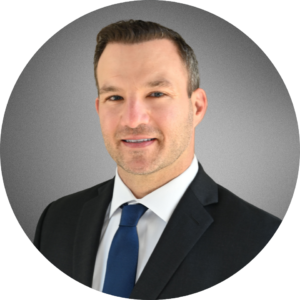
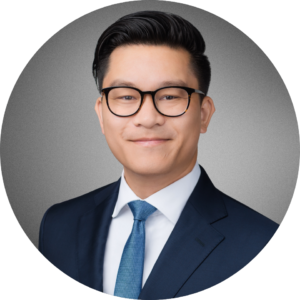
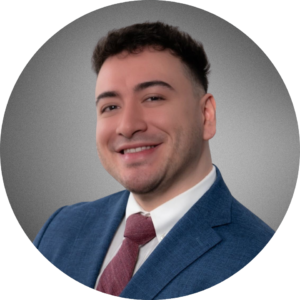
Meet Class Act's Medical School Coaches
Dr. Brett Hansen began his career with a degree in Exercise Physiology and graduate studies in Nutrition before attending medical school. Following his time as Chief Neurology Resident, he advanced into leadership roles across complex healthcare settings, overseeing multidisciplinary clinics and mentoring residents as a Clinical Assistant Professor and Neurology Site Director. He has also advised program directors, healthcare managers, and executives. Most recently, he completed Mayo Clinic’s Executive Health & Wellness Coach training.
“My professional journey has always been rooted in a deep interest for human performance and holistic health. I am incredibly passionate about coaching the upcoming generation of physicians as they begin their own professional journeys. My goal is to guide residents and young doctors to realize their potential, helping them to thrive with excitement and joy rather than simply surviving their training. My mission is to empower students using scientifically proven methods that are personalized to every individual so they can build careers that are both professionally rewarding and deeply meaningful.”
Dr. Dareen Elgindi is a board-certified internal medicine physician and incoming dermatology resident. She completed medical school at Drexel University College of Medicine on scholarship and has pursued a career dedicated to academic medicine and research. As an attending physician at an academic hospital, she works closely with medical students and residents and has developed insight into the qualities and habits that contribute to success in medical training. Having applied to and been accepted to competitive residency positions twice, Dr. Elgindi brings a current, firsthand perspective on the path from medical school admissions through successful residency applications and completion.
“After navigating medical school without the benefit of knowledgeable mentors, I understand how overwhelming and confusing the process can feel. My approach focuses on providing practical, well-informed guidance that is individualized to each student’s individual strengths, goals, and circumstances. By helping students understand the process and develop a realistic plan, I aim to make the path through medical school more manageable, more purposeful, and far less stressful.”
Dr. James Lui is a Public & Community Psychiatry Fellow at Case Western Reserve University/University Hospitals where he also serves as Chief Resident for Psychotherapy. Before earning his medical degree from the University of California San Diego School of Medicine, he completed a six-month Spanish immersion program in Guatemala, earned a master’s degree in health systems and public policy from the University of Edinburgh, and served in AmeriCorps through the National Health Corps. Having benefited from strong mentorship throughout his own training, he is committed to helping medical students identify meaningful opportunities and pursue their professional aspirations.
“My work in psychotherapy has given me a deep appreciation for the importance of self-reflection, while the mentorship I received throughout my own training helped shape the physician I am today. As a mentor, I enjoy helping students identify their strengths, better understand what they want from their careers, and make the most of their time in medical school.”
Dr. Amelia Mackarey is a pediatrician committed to providing excellent care to all children. She completed her intern year in the Triple Board Pediatrics/Psychiatry/Child & Adolescent Psychiatry program at Riley Hospital for Children before continuing her categorical pediatric residency training at Children’s Hospital at Montefiore in New York City. Before graduating from Geisinger Commonwealth School of Medicine, Dr. Mackarey earned dual undergraduate degrees in English Literature and Microbiology & Molecular Biology from the Burnett Honors College at the University of Central Florida. Throughout residency, Dr. Mackarey remained active in advocacy efforts on behalf of children and families, serving as an American Academy of Pediatrics resident delegate at both training programs.
“I am a strong advocate for my patients and their families, and I bring that same commitment to mentoring medical students. One of the things I enjoy most about mentorship is helping students see the bigger picture. It is easy to become focused on the next exam, the next rotation, or the next milestone without understanding how those experiences fit together. I hope to help students approach medical school with a clearer sense of direction and a better understanding of the opportunities available to them.”
Before medical school, Dr. Bryan Aristega attended Cornell University, where he majored in Biological Sciences with a concentration in Nutrition. He developed a strong academic research foundation at Memorial Sloan Kettering Cancer Center, investigating drug delivery systems, and continued clinical research in orthopedics and healthcare disparities at Hospital for Special Surgery during medical school. He is especially interested in advising new medical students and match applicants who are pursuing orthopedic surgery, anesthesiology, and other competitive specialties, as well as students navigating uncertainty, reapplication, or a change in career direction. Outside of medicine, he enjoys Latin dancing, lifting weights, and spending time with family and friends.
“My path shows that choosing a specialty isn’t always straightforward. It’s important to pay attention to your instincts and strive to understand the kind of work, environment, and future that fit you best. I enjoy helping students look at their goals and experiences clearly, tell a story through their application, and make thoughtful decisions about how to present themselves.”
Want to Learn More About Medical School Performance Coaching?
Beyond Mentorship: An Intentional Approach to Medical School
Getting into medical school is a major accomplishment. It also marks the beginning of a period where small decisions accumulate into long-term outcomes. Residency programs evaluate patterns built over time:
- Longitudinal clinical and service involvement that demonstrates sustained commitment, not short-term or last-minute participation.
- Cumulative academic performance, including class rank, exam trends, and early board-style reasoning.
- Sustained research efforts that progress into presentations, abstracts, and meaningful scholarly output.
- Faculty relationships developed over time that lead to strong, personalized letters of recommendation.
Students who plan strategically and establish effective systems are far better positioned to build lasting momentum across all these areas.
Foundational Meetings (M1)
1. 75m Initial Consultation: Foundations & Orientation
2. Positioning & Early Moves
3. Study Optimization Session
4. Campus & Community Involvement
5. Research, Residency Intro & Summer Planning
6. Year 1 Audit & Looking Ahead
Longitudinal Meetings (M2)
7. M2 Transition & Continuity
8. Focused Check-In & Assessment
9. Positioning for M3
10. Decision Gate & M3 Transition
What happens in your Study Optimization session:
This session is designed to strengthen how you approach studying so your time and effort translate into consistent results. During the meeting, you’ll:
- Analyze your current study approach, schedule, and workload.
- Identify where time is being lost, overused, or misallocated.
- Review the resources you’re using and determine what should be kept, adjusted, or eliminated.
- Clarify your immediate priorities based on your current block, exams, and performance.
By the end of the session, you’ll have a:
- Structured weekly study system tailored to your schedule.
- Concrete plan for how to approach your next exam block.
- Realistic framework you can follow without second-guessing.
What you leave with after each session:
Each coaching session is designed to move you forward in measurable ways. After every meeting, you will leave with:
- A clear plan for the next 2–4 weeks.
- Specific adjustments to your study structure based on what is or isn’t working.
- Defined priorities so you know exactly what to focus on and what to put on the shelf.
- Accountability checkpoints to keep you consistent between sessions.
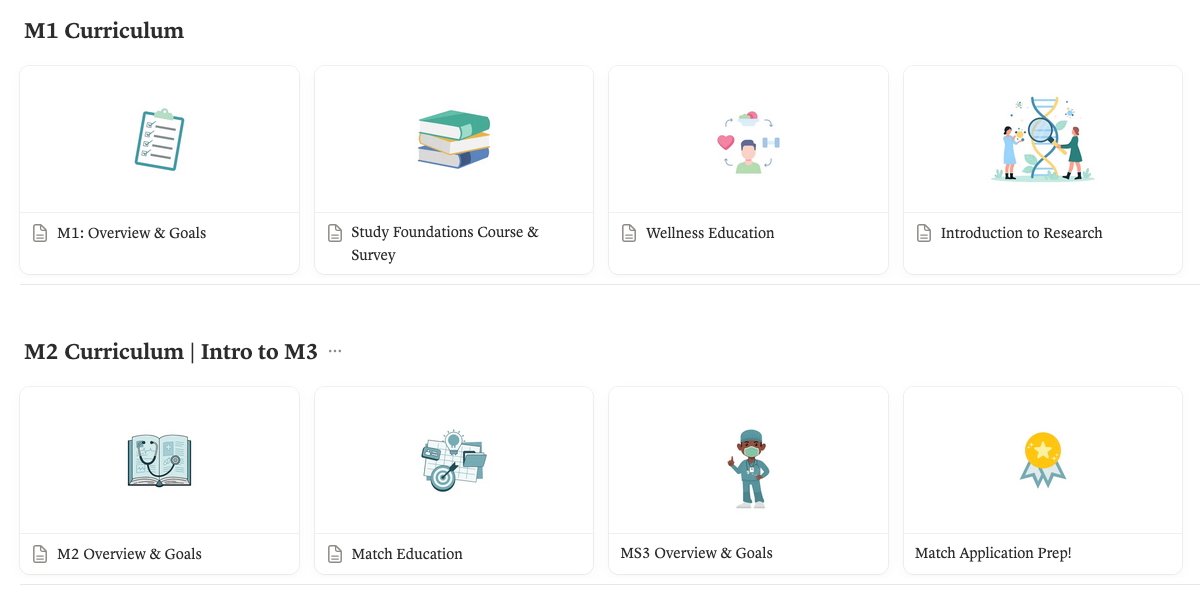
Access All 18 Modules of the MSPC Foundations Curriculum
Ready to Find Out if Medical School Performance Coaching is Right for You?
The Class Act approach is built for students who want to be proactive, precise, and fully prepared for what comes next.
Let’s start the conversation—enter your email below to schedule your free call!